The short answer
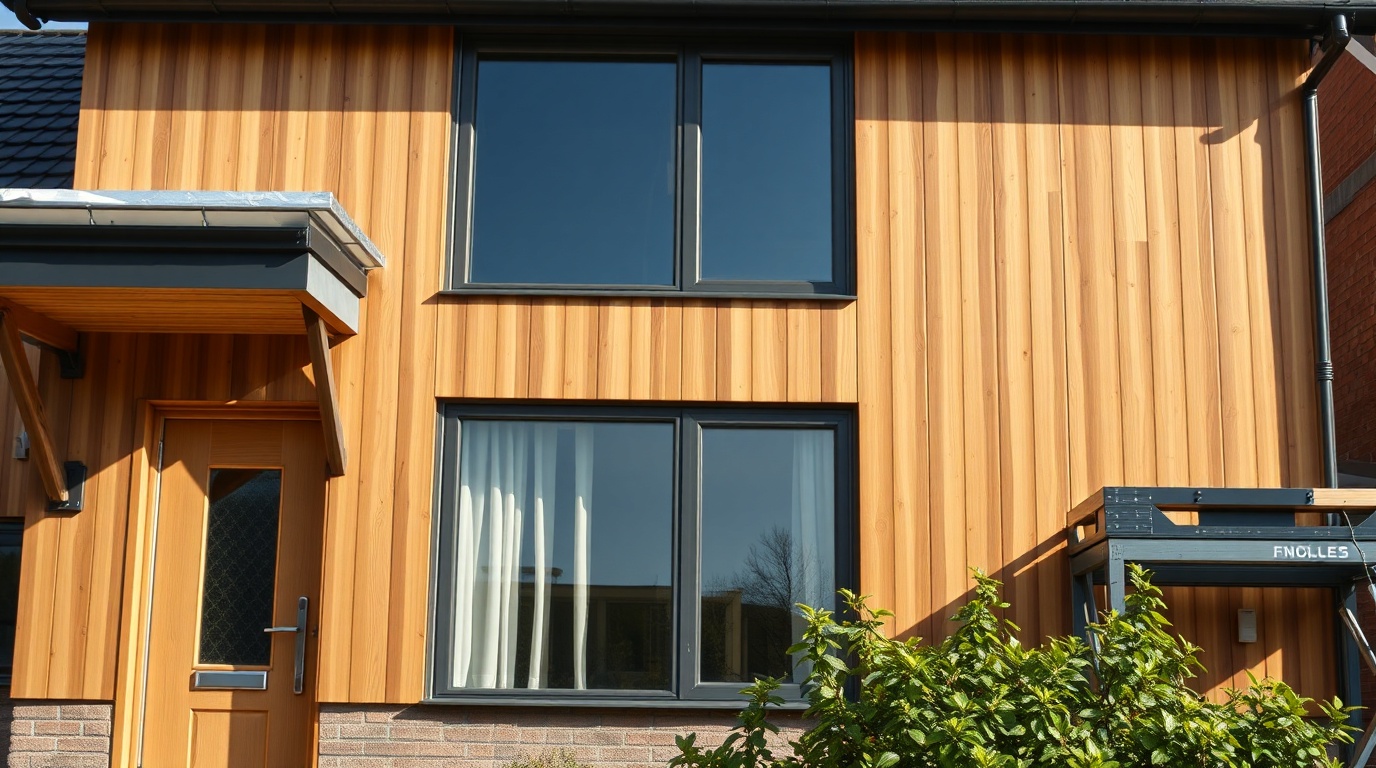
There is no single best timber — it depends on your priorities — but the most respected choices for UK exterior cladding are western red cedar, European larch, Douglas fir, oak and thermally modified softwoods. Western red cedar is prized for being naturally durable, stable and lightweight; larch is a tough, more affordable softwood with good natural durability; Douglas fir and oak offer strength and character; and thermally modified wood gives improved stability and durability from a sustainable source. The right choice balances natural durability, appearance, stability, sustainability and cost. Whichever you pick, detailing, fixings and ventilation behind the boards matter as much as the species for how long the cladding lasts.
Timber cladding lives or dies on the species and the detailing. These are the woods that perform best in the British climate, and how they differ.
Popular UK cladding timbers
- Western red cedarstable, durable, premium
- European larchtough, good value
- Douglas firstrong, characterful
- Oakvery durable, heavy
- Thermally modifiedstable, sustainable
Western red cedar and larch
Western red cedar is the benchmark cladding timber. It is naturally durable, dimensionally stable (it resists cupping and twisting), lightweight and easy to work, with a warm, even appearance. It carries a premium price but is hard to beat for quality. European larch is the popular value choice — a dense, resinous softwood with good natural durability and an attractive grain, often used where budget matters but a real-wood look is wanted. Larch is more prone to movement and knots than cedar, so quality grading matters. Both can be left to silver naturally or kept their original tone with regular finishing.
Douglas fir, oak and modified timber
Beyond cedar and larch, several other timbers perform well:
- Douglas fir — strong, with a distinctive grain; reasonably durable and characterful, though it benefits from finishing.
- Oak — very durable and long-lasting, with a premium look, but heavy and expensive; often used for feature cladding.
- Thermally modified timber — softwoods such as pine or ash that are heat-treated to improve stability and durability without chemicals, giving a sustainable, dark-toned board.
- Accoya (modified) — acetylated softwood with very high stability and durability, used where movement must be minimised.
Understanding natural durability
When suppliers describe a timber as durable or moderately durable, they are referring to the wood's natural resistance to decay — how well its heartwood resists rot and fungal attack without preservative treatment. Species like western red cedar and oak sit toward the durable end, which is why they can be used externally and even left untreated; many ordinary softwoods are not naturally durable and would need pressure treatment to survive outdoors. Two points matter for cladding. First, it is the heartwood that carries the durability — sapwood is far less resistant, so grading and the proportion of heartwood affect real-world performance. Second, durability assumes the timber can dry out; even a durable species fails early if it is trapped damp. This is why naturally durable species are chosen for cladding and why a ventilated cavity that lets the boards dry is so important. Modified timbers improve durability through treatment rather than relying on the species alone.
How the timbers compare
Natural durability is often described using durability classes; the figures below are a broad guide, not a guarantee.
| Timber | Durability | Stability | Relative cost |
|---|---|---|---|
| Western red cedar | Durable | Very good | High |
| European larch | Moderately durable | Moderate | Lower |
| Douglas fir | Moderately durable | Good | Mid |
| Oak | Durable | Good | High |
| Thermally modified | Improved | Very good | Mid–high |
Indicative comparison for guidance. Durability follows natural-durability conventions; verify per product. Source: TRADA timber cladding guidance.
Finishing options and how timber ages
A key decision with any timber cladding is whether to finish it or let it weather. Naturally durable species can be left untreated, in which case UV and rain gradually turn them a silver-grey — an even, attractive patina on cedar and larch, though it can weather unevenly on elevations that get different sun and rain exposure. If you prefer to keep the original tone, a penetrating stain or oil is applied and re-coated periodically; film-forming paints and varnishes are less common on cladding because they can crack and peel as the wood moves. Some homeowners choose pre-weathered or pre-finished boards to start with an even colour and reduce surprises. There is no maintenance-free natural timber: the choice is between accepting graceful silvering with minimal effort, or committing to a finishing cycle to hold a colour. Modified timbers and pre-coated products narrow this gap by improving stability and starting with a controlled finish.
Sustainability and sourcing
Timber is a renewable material, and responsibly grown cladding can be a low-impact choice — but only if it is sourced from well-managed forests. Look for recognised certification that confirms the timber comes from sustainable sources. European larch and some modified softwoods can have a shorter supply chain to the UK than imported cedar, which may matter for embodied carbon. At the end of its life, untreated timber can be reused or burned for energy, which is an advantage over bonded composites. Durability also plays into sustainability: a naturally durable, well-detailed cladding that lasts decades is greener than a cheaper board that needs replacing sooner. Balancing species, durability, transport and certification gives the fullest picture of a timber's environmental footprint.
Detailing matters as much as species
Even the best timber fails early if it is fitted badly. To get a long life from cladding, the design should allow a ventilated cavity behind the boards so they can dry, use corrosion-resistant fixings (stainless steel is common), keep timber off the ground with a clear base detail, and protect end grain. Finishing is a choice rather than a necessity for naturally durable species: you can let cedar or larch silver gracefully, or maintain a coating with periodic re-application. If you want zero finishing and no silvering, a modified or pre-finished product reduces upkeep. Whatever you choose, source from a reputable supplier and check it is responsibly sourced.
Frequently asked questions
Is cedar or larch better for cladding?
Cedar is more stable and durable and looks more refined, but costs more. Larch is tougher per pound and gives a real-wood look at a lower price, with slightly more movement and knots. Cedar suits a premium finish; larch suits a value-led natural look.
Do I have to treat or oil timber cladding?
Not with naturally durable species like cedar, larch or oak — you can let them silver. Oiling or staining is optional, used to keep the original colour or to control the way the wood ages. Modified and pre-finished timbers reduce or remove the need for maintenance coatings.
How long does timber cladding last in the UK?
Well-chosen, well-detailed timber cladding can last several decades. Naturally durable species with a ventilated cavity and good fixings last longest. Poorly detailed or less durable timber that stays damp will fail sooner, which is why ventilation and detailing matter so much.
Sources & further reading
Figures on this page are typical UK ranges drawn from published sources and depend on your specific property. They are guidance, not a quotation.