The short answer
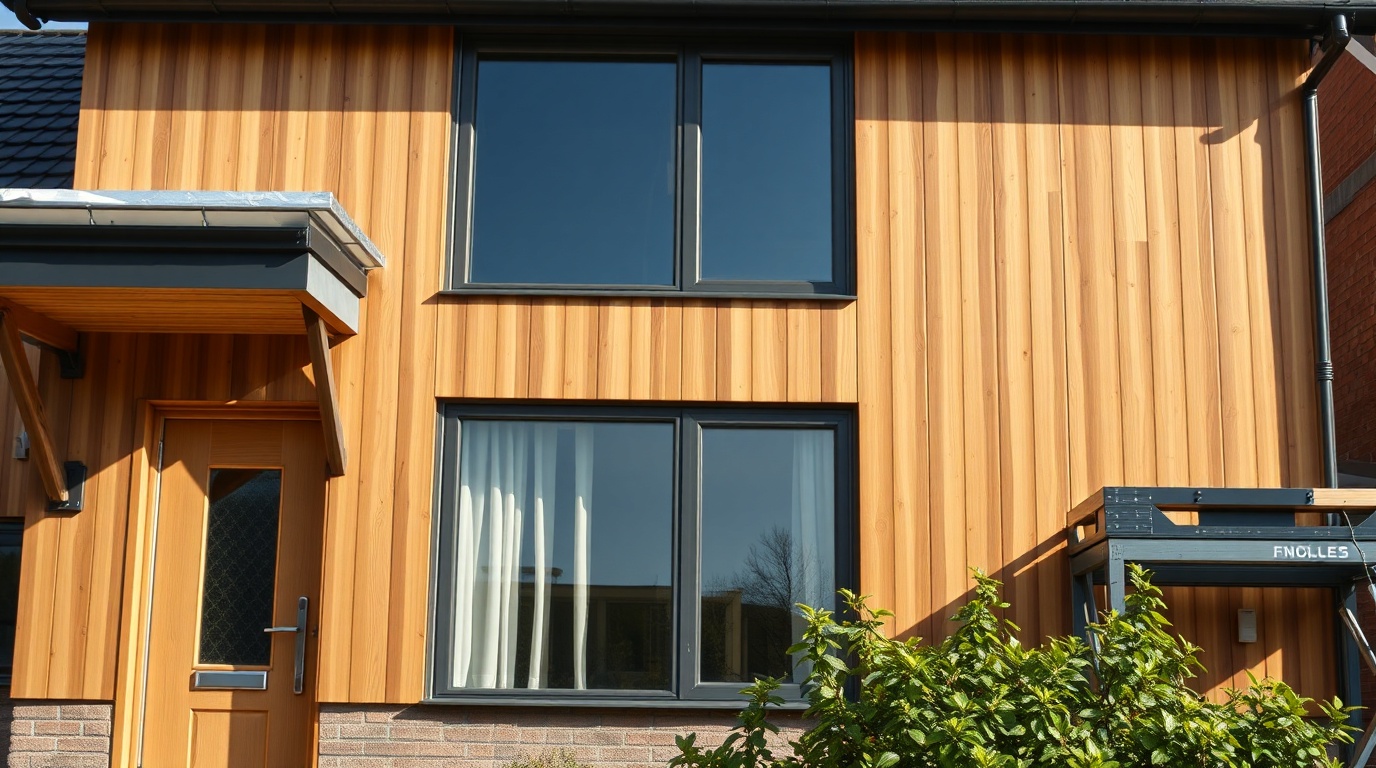
Cladding can add value to a house, but it is not assured and depends heavily on doing it well. Well-chosen, well-installed cladding lifts kerb appeal, can improve weather protection and energy efficiency (especially when combined with external wall insulation), and modernises a tired exterior — all of which can help a sale. However, the uplift rarely matches the spend pound-for-pound, and poorly done or unpopular cladding can be neutral or even off-putting to buyers. Since the high-rise fire safety concerns of recent years, buyers and lenders are also more cautious about cladding on flats and taller buildings, though this applies far less to ordinary houses. The honest position: cladding a house is mainly worth doing for how you want it to look and perform, with any value uplift as a bonus rather than an investment. Treat value claims qualitatively, not as fixed percentages.
Whether cladding pays for itself at resale is a common question. The answer is nuanced — it can help, but the gain depends on quality, taste and the type of property. Here is the realistic picture.
Cladding and value at a glance
- Adds value?Sometimes, not assured
- Main benefitKerb appeal, weather protection
- Energy gainStrong with insulation
- RiskPoor or unpopular finish
- Flats / tall buildingsLender caution applies
How cladding can add value
There are genuine ways cladding supports a house's value. The most reliable is kerb appeal: a fresh, attractive exterior makes a stronger first impression and can help a property sell faster, even if the headline price gain is modest. Weather protection is another — a ventilated cladding system shields the wall from driving rain and can extend the life of the structure behind. The biggest functional gain comes when cladding is combined with external wall insulation: a warmer, more efficient home with a better EPC rating is increasingly valued by buyers and can lower running costs, which supports value. Modernising a dated or unattractive elevation can also widen the pool of interested buyers.
| Factor | Effect on value | Note |
|---|---|---|
| Kerb appeal | Helps | stronger first impression, quicker sale |
| Weather protection | Helps | protects the wall behind |
| Added insulation | Helps most | better EPC, lower bills |
| Poor / unpopular finish | Can hurt | dates quickly, deters buyers |
| Hiding a defect | Can hurt | problem remains, shows at survey |
How cladding can affect house value — qualitative guidance, not a fixed percentage.
Why the uplift is rarely pound-for-pound
It is important to be realistic. Most cosmetic and protective home improvements — cladding included — return less than they cost at resale. A £12,000 cladding job will not usually add £12,000 to the asking price. The value comes more in saleability and condition than in a direct price premium: a well-presented, well-maintained house sells more easily, but the exterior is only one factor among many. The exception that comes closest to paying back is cladding done as part of an energy-efficiency upgrade, where the insulation, lower bills and improved EPC give a more measurable benefit than appearance alone.
The risks that can reduce value
Cladding can be a neutral or negative factor in some situations. Poor installation — no ventilated cavity, no breather membrane, cheap fixings — can trap damp and cause problems that show up at survey, harming value. Unpopular materials or colours date quickly and can deter buyers. On flats and taller buildings, fire-safety scrutiny since 2017 means lenders and surveyors look closely at cladding type and whether the building has the relevant safety documentation, which can complicate sales and mortgages — though this is a building-level issue that rarely affects ordinary two-storey houses. Cladding used to hide a defect rather than fix it (such as covering up persistent damp) is also a risk, because the underlying problem remains and can surface later.
Should you clad for value or for yourself?
The practical conclusion is that cladding a house is best treated as something you do for how you want the house to look and perform, with any value uplift as a welcome bonus rather than the reason. If your main goal is a return on investment, the safest bet is cladding done as part of a genuine energy-efficiency improvement, where the insulation, comfort and lower bills give a measurable benefit. If the goal is appearance, choose sympathetic, durable materials and a quality install, because those are what support saleability rather than the cladding alone.
Before committing, it is worth a quick word with a local estate agent about what buyers in your area expect, and a check of any planning constraints — changing the external appearance can need permission, especially in conservation areas or on listed buildings, and unauthorised work can complicate a future sale. Done thoughtfully, cladding improves a home; done carelessly or for the wrong reasons, it can cost more than it returns.
What buyers and surveyors look for
If resale is part of your thinking, it helps to know what a buyer's surveyor will actually check. They look for signs that the cladding has been installed properly — a ventilated cavity, sound fixings, neat flashings and no trapped damp — and for any evidence that it might be hiding a problem with the wall behind. Cladding that is well-detailed and clearly protecting the structure reads as a positive; cladding that looks like a cover-up, or that shows damp, movement or poor workmanship, raises questions that can stall a sale. Keeping the paperwork — the system used, any manufacturer warranty, and proof that any required planning permission was obtained — reassures a buyer and supports value.
The type of property matters too. On an ordinary house, well-chosen cladding is a straightforward improvement. On a flat or a building above a certain height, cladding has become a sensitive subject since 2017, and lenders or surveyors may ask about the materials and the building's fire-safety status before agreeing a mortgage. That is a building-level issue largely outside a single owner's control and rarely affects a typical two-storey house, but it is worth being aware of if you own a flat. For most homeowners, the message is simple: clad well, with sympathetic materials and the right permissions, and the work supports the home's appeal; cut corners, and it can do the opposite.
Frequently asked questions
Does cladding increase the value of a house?
It can, mainly through better kerb appeal, weather protection and energy efficiency, but the uplift rarely matches the cost pound-for-pound. The gain is usually in saleability and condition rather than a direct price premium, and depends on doing the work well.
Can cladding reduce a house's value?
Yes, if it is poorly installed, uses unpopular materials, or hides a defect like damp. On flats and taller buildings, fire-safety scrutiny since 2017 can also make cladding a concern for lenders and surveyors, though this rarely affects ordinary houses.
Does cladding with insulation add more value?
Generally, yes. Cladding combined with external wall insulation improves the EPC rating, comfort and running costs, which buyers increasingly value. This energy-efficiency benefit is more measurable than the appearance gain from cladding alone.
Sources & further reading
Figures on this page are typical UK ranges drawn from published sources and depend on your specific property. They are guidance, not a quotation.