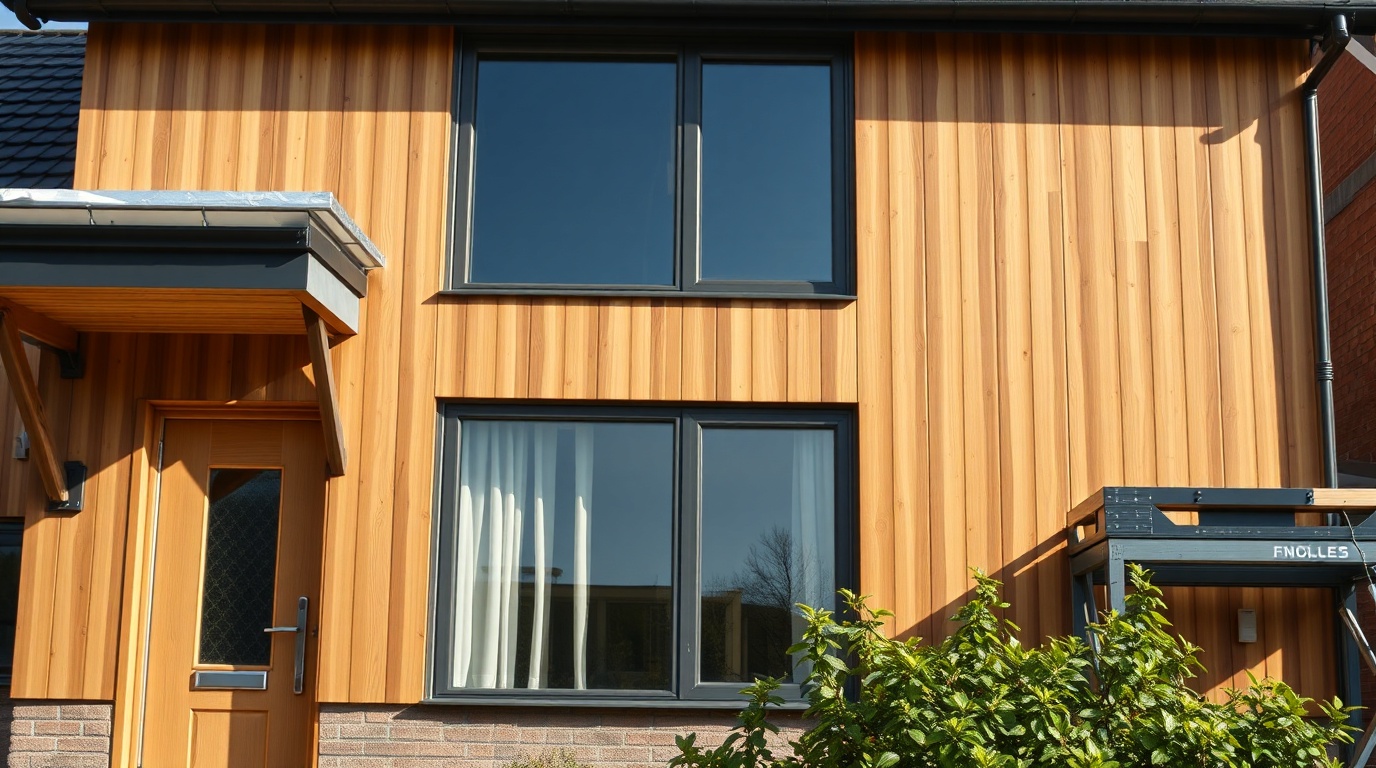
The short answer
Yes — most timber cladding goes silver-grey outdoors, and it is a natural weathering process rather than damage. UV light breaks down lignin (the compound that gives wood its warm tone) at the surface, and rain washes it away, leaving the silvery colour. It usually happens unevenly at first — exposed faces grey faster than sheltered ones. Greying does not weaken the timber; durable species like cedar, larch and oak silver and stay sound for decades. To slow or prevent it, use a pigmented oil or stain (UV protection comes from the pigment, so clear finishes offer little), and re-coat before it weathers off. Many owners instead choose to let it silver evenly and maintain only ventilation and repairs.
Greying surprises owners who pictured warm timber forever. Understanding why it happens makes the choice simple: accept the silver look, or commit to pigmented finishes and re-coating to hold colour.
Timber greying at a glance
- CauseUV breaks down surface lignin
- Harmful?no — cosmetic, not structural
- Patternuneven exposed vs sheltered
- To slow itpigmented oil or stain
- Clear finisheslittle UV protection
Why timber turns grey
The silvering is a surface effect driven by sunlight and rain. Ultraviolet light degrades lignin, the natural polymer that binds wood fibres and carries much of its warm colour. As the lignin breaks down at the surface, rain washes the degraded material away, exposing the paler, grey-toned cellulose beneath. The change is microns deep — it does not weaken the board — but it changes the appearance markedly. Because sunlight and rain hit a building unevenly, the greying starts patchy: south- and west-facing, exposed areas silver first, while sheltered sections under eaves stay warmer for longer. Over a few seasons the colour usually evens out across the elevation.
Does greying matter?
For the timber itself, no. Naturally durable species are chosen precisely because they can weather to grey and remain structurally sound for decades. The greyed surface can even be slightly protective. So the question is almost entirely about appearance: some owners love the soft silver of weathered cedar or oak, while others want to keep the original warm tone. The one genuine practical point is that uneven greying during the transition can look blotchy, particularly where eaves or features shade part of the wall. This evens out with time, or can be encouraged by a pre-greying treatment that brings the whole surface to a uniform silver from the start.
How to slow or prevent greying
If you want to hold the colour, the key fact is that protection against UV comes mainly from pigment. Clear oils and varnishes do little to stop greying because they let UV through. The practical options are:
- Pigmented oils and stains — coloured finishes that block UV and can be tinted to keep a warm tone; they need re-coating every few years as they weather.
- Opaque paints — fully hide the timber colour and resist greying longest, but failure usually means stripping rather than a simple re-coat.
- UV-resistant decking-style oils with strong pigment loads for higher protection.
- Pre-weathering treatments — products that grey the timber evenly and immediately, so you control the silver look rather than waiting for nature.
| Approach | Effect on greying | Upkeep |
|---|---|---|
| Pigmented oil/stain | slows; holds colour | re-coat every few years |
| Opaque paint | prevents | strip and repaint on failure |
| Clear finish | little effect | frequent re-coating |
| Pre-greying treatment | even silver from start | minimal, inspect only |
| Leave bare | full silvering | inspect and clean only |
Indicative guidance; pigment level drives UV protection, so always check the product's UV rating.
Choosing your approach
The cleanest decision is made before the cladding goes up. If you want a lasting warm or coloured timber, commit to a pigmented finish and a re-coating schedule from day one, and accept that it is ongoing work. If you are drawn to the silver-grey look, choose a durable species, let it weather, and budget your effort for ventilation, junction repairs and occasional cleaning rather than coatings. Trying to keep timber warm with clear finishes alone usually disappoints, because the colour fades and greying shows through. Whichever route you pick, even greying and a sound finish both depend on the same fundamentals: good detailing, a ventilated cavity and regular inspection.
Frequently asked questions
Is grey timber cladding a sign of rot?
No. Silver-grey weathering is a surface effect caused by UV breaking down lignin and is only a few microns deep. Rot looks and feels different — soft, spongy, darkly stained timber, often with a musty smell. Greying alone does not mean the wood is decaying.
Can you restore the colour of greyed timber cladding?
Often yes. Cleaning with a suitable wood cleaner or brightener removes the weathered grey layer and lifts the colour, after which a pigmented oil or stain can restore and hold a warmer tone. Heavily silvered timber may need light sanding before re-coating.
Which timber greys most evenly?
Naturally durable, close-grained species such as western red cedar, larch and oak weather to a fairly even silver over time, especially on consistently exposed walls. Even greying is helped by good ventilation and by a pre-weathering treatment that silvers the whole surface from the start.
Sources & further reading
Figures on this page are typical UK ranges drawn from published sources and depend on your specific property. They are guidance, not a quotation.