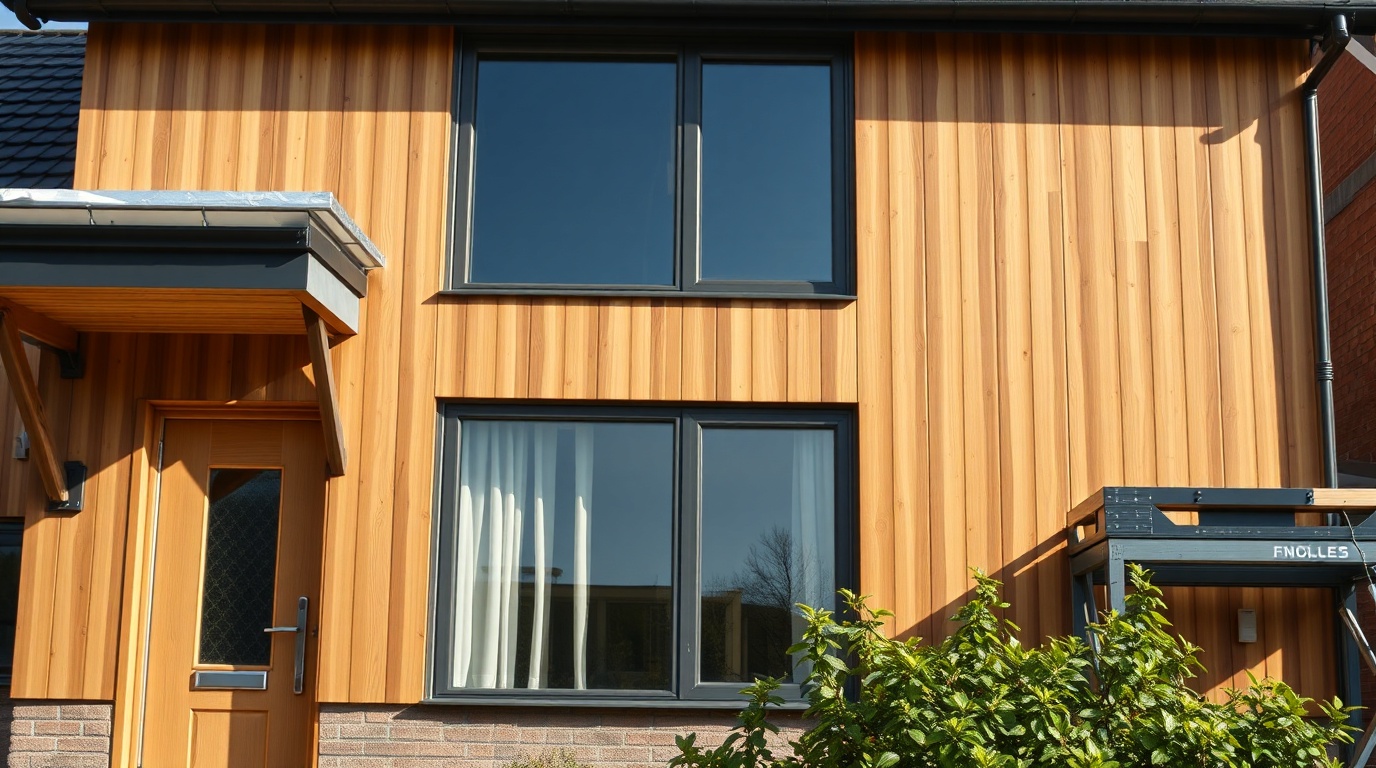
The short answer
Maintaining timber cladding is mostly about keeping water moving and the finish intact. The core routine is to wash it gently once or twice a year to remove dirt, algae and pollen; inspect the boards and junctions each year for splits, lifting, failed sealant and signs of rot; re-coat any oil, stain or paint before it weathers through — typically every 2–5 years depending on the product and exposure; and make sure the ventilation gap behind the boards and the drainage at the base stay clear. If you have chosen to let cladding silver naturally and applied no finish, maintenance is lighter but inspection still matters. Catching small problems early is what keeps timber cladding sound for decades.
Timber cladding rewards a little regular attention and punishes neglect. The schedule below covers what to do, how often, and the details that quietly decide whether the timber lasts.
Timber cladding maintenance
- Wash1–2 times a year
- Inspect junctionsyearly
- Re-coat oil/stainevery 2–5 years
- Keep clearvent gap and base drainage
- Act earlyrepair splits and rot promptly
The yearly routine
A simple annual cycle keeps most timber cladding in good order:
- Clean the boards with water, mild detergent and a soft brush to lift dirt, pollen, algae and surface mould. Work top-down and rinse off. Avoid high-pressure washing, which can drive water behind the boards and raise the grain.
- Inspect for splits, cupping, lifting boards, loose or corroding fixings, failed mastic at junctions and any soft, dark or spongy timber that suggests rot.
- Check the cavity — make sure ventilation gaps at the top and bottom are not blocked by debris, render, paint or vegetation, and that water can drain away at the base.
- Clear vegetation growing against or behind the cladding, which traps moisture.
None of this is heavy work, but doing it every year catches problems while they are cheap to fix.
Re-coating and finishes
If your cladding is coated, the finish is sacrificial — it protects the timber and needs renewing before it fails. Intervals vary with the product and how exposed the wall is:
- Penetrating oils tend to need refreshing more often, often every 1–3 years, but are easy to re-apply without stripping.
- Stains typically last around 3–5 years and can be re-coated once cleaned and lightly prepared.
- Opaque paints can last longer but, when they fail, often need stripping back rather than a simple top-up.
Re-coat when the finish starts to thin or lose colour, not after it has broken down and let water into the timber. Always follow the coating maker's surface-preparation and re-coat guidance.
| Finish | Typical re-coat | Re-coating ease |
|---|---|---|
| Penetrating oil | 1–3 years | easy, no stripping |
| Stain | 3–5 years | clean and re-coat |
| Opaque paint | longer interval | may need stripping |
| Left to silver | no re-coat | inspect only |
Indicative intervals; exposure and product vary widely, so follow the coating instructions.
Keeping water moving
Most timber cladding failures come down to water that could not escape. The maintenance priority, beyond the finish, is protecting the design that keeps the timber dry: a ventilated and drained cavity, sound flashings and well-detailed junctions. During inspection, look closely at sills, window reveals, the base of the wall, the eaves and any pipe or vent penetrations — these are where water gets behind boards. Reseal or repair failed junctions promptly. Make sure splashback from paths or planting is not constantly wetting the lowest boards, and that the bottom of the cladding sits clear of the ground.
If you let it silver naturally
Many owners choose durable species such as cedar, larch or oak and let them weather to silver-grey with no coating. This is a valid, low-maintenance approach, but it is not no-maintenance. The timber still needs annual inspection for splits, rot and failed junctions, and benefits from occasional gentle cleaning to even out streaking and remove heavy algae. Because there is no coating to renew, the focus shifts entirely to ventilation, drainage and prompt repair. Expect uneven silvering at first — sheltered areas grey more slowly than exposed ones — and accept this as part of the natural look rather than a fault to correct.
A seasonal checklist
Spreading the work across the year keeps it manageable and catches problems at the right time:
- Spring — wash off winter grime and algae, inspect for any damage from cold, wind and damp, and clear out the cavity vents and base drainage of leaves and debris.
- Summer — the best window for re-coating, when timber is dry and the weather settled; tackle any oil or stain that is due before it weathers off.
- Autumn — check and clear gutters and downpipes so they do not overflow onto the cladding, and cut back vegetation before winter.
- Winter — mostly observation: watch for persistent damp areas, lifting boards after storms and any new splits, and note them for repair when conditions allow.
Keeping a simple record of when boards were last cleaned and coated, and which products were used, turns maintenance from guesswork into a routine and makes it easy to match any later repairs to the original finish.
Frequently asked questions
How often should timber cladding be re-oiled?
It depends on the product and exposure, but penetrating oils often need refreshing every one to three years, while stains last longer at around three to five years. Re-coat when the finish starts thinning or fading rather than waiting for it to break down.
Can I pressure-wash timber cladding?
It is best avoided. High pressure can drive water behind the boards, raise the grain and strip finishes unevenly. A soft brush, mild detergent and a normal hose give a gentler, safer clean that does not damage the timber or the cavity behind it.
What are the signs timber cladding needs repair?
Look for soft or spongy timber, dark staining, splits, cupping or lifting boards, loose or corroding fixings and failed sealant at junctions. Any of these, especially soft timber, means water is getting in and the affected area should be repaired before it spreads.
Sources & further reading
Figures on this page are typical UK ranges drawn from published sources and depend on your specific property. They are guidance, not a quotation.